



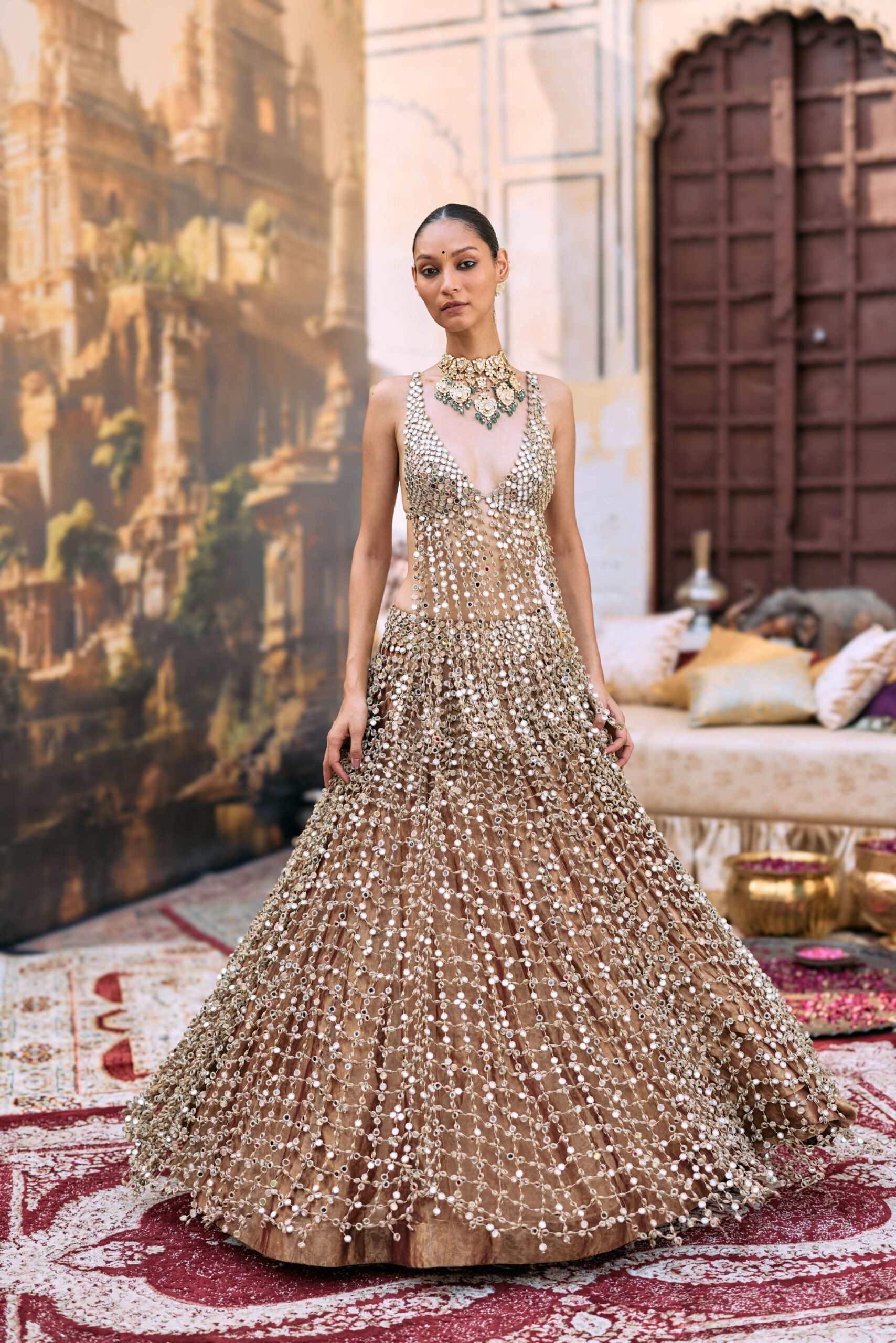
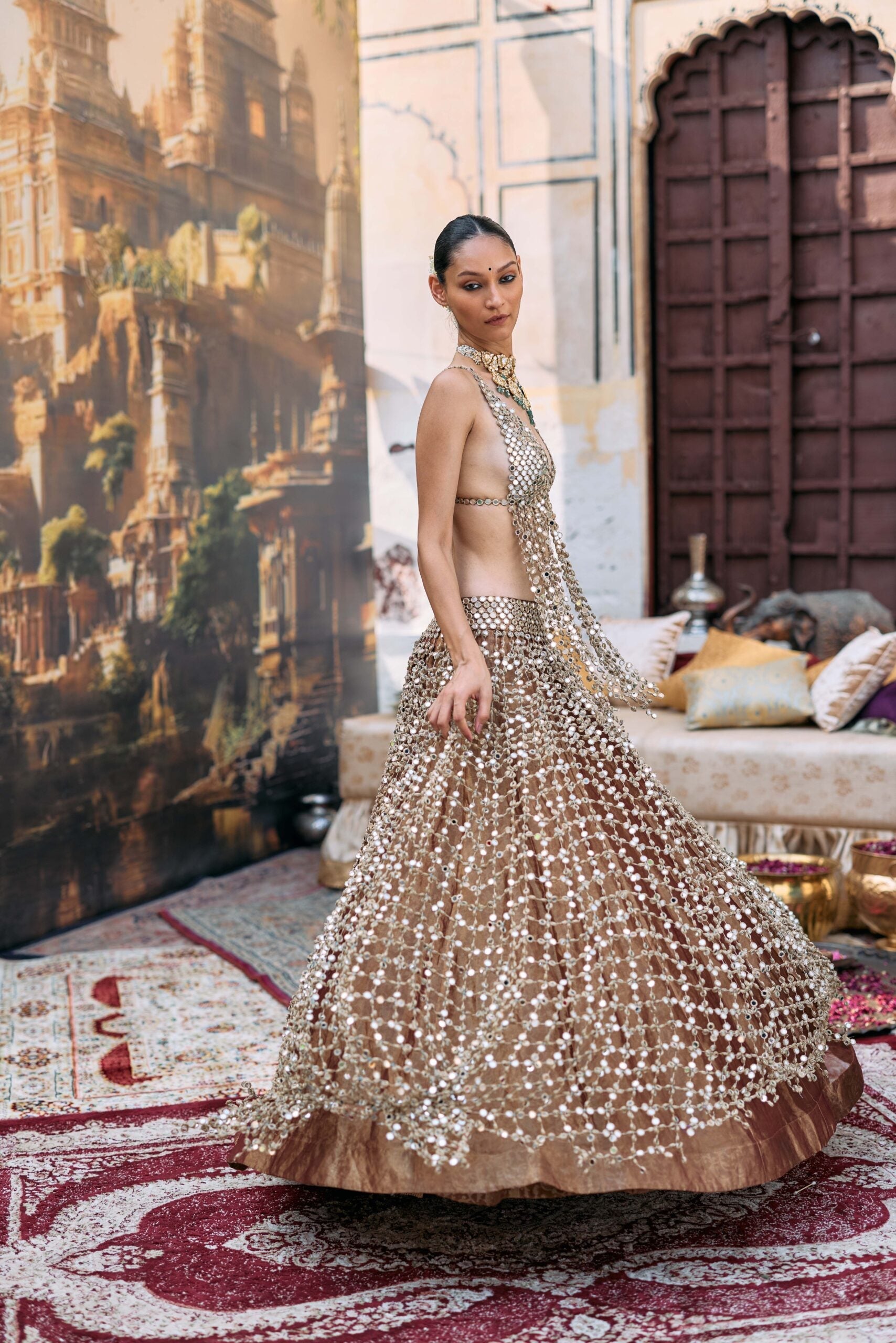


The End of Micro-Trends: Why India Is Going Back to Classic Style
Somewhere between endless viral aesthetics and rapidly changing fashion cycles, Indian consumers have started to pause. The constant need to keep up with what is trending for a few weeks and disappearing just as quickly has created fatigue.
In 2026, a noticeable shift is taking place. Instead of chasing short-lived styles, people are returning to pieces that feel grounded, versatile, and lasting. This movement toward India’s classic style in fashion 2026 is not about rejecting modernity. It is about choosing longevity over momentary relevance.
Classic style today is about confidence, quality, and a wardrobe that evolves with you instead of expiring every season.
What Are Micro-Trends and Why Are They Exhausting Us?
Micro-trends are short-lived fashion movements that gain popularity quickly, usually through social media platforms, and fade just as fast. They often last only a few weeks before being replaced by the next wave.
This cycle creates a pattern of constant consumption. People feel the need to update their wardrobes frequently, leading to clutter, wasted spending, and dissatisfaction.
In India, this effect has been amplified by the rapid growth of fast fashion. The result is a growing awareness of the downsides, including environmental impact and lack of long-term value.
The concept of micro-trend fatigue in India is becoming more visible as consumers question whether these fast cycles are worth it.
The Classic Style Shift: What It Looks Like in India
The move toward classic style does not mean dressing traditionally all the time. Instead, it reflects a more thoughtful approach to fashion.
In 2026, classic Indian fashion is defined by:
-
High-quality fabrics such as silk, cotton, and handloom weaves
-
Timeless silhouettes that suit multiple occasions
-
Craftsmanship that adds depth and meaning to each piece
This includes outfits like handwoven sarees, well-tailored sherwanis, and versatile kurta sets. These pieces are not tied to a specific trend cycle. They remain relevant year after year.
The focus has shifted from “what is trending now” to “what will still look good five years from now.”
The Pieces That Never Go Out of Style
Certain outfits have consistently remained relevant across generations. These are the foundation of a timeless Indian wardrobe.
Banarasi Saree
A symbol of heritage and elegance, known for its intricate weaving and rich texture.
Silk Sherwani
A classic choice for weddings and formal occasions, offering structure and sophistication.
White Cotton Kurta
Simple, versatile, and suitable for both casual and semi-formal settings.
Chanderi Suit Set
Lightweight, elegant, and perfect for both work and festive occasions.
Classic Anarkali
A flowing silhouette that continues to be a favorite for celebrations.
These timeless Indian outfits endure because they combine functionality with beauty. They can be styled in multiple ways and adapted to different occasions.
How Indian Consumers Are Shopping Differently in 2026
The way people shop is changing significantly. Instead of buying frequently, consumers are focusing on fewer, better purchases.
There is a growing interest in capsule wardrobes, where each piece serves a purpose and can be styled in multiple ways. This approach reduces clutter and increases the usability of each item.
Another shift is the idea of heirloom fashion. People are investing in pieces that can be worn for years or even passed down through generations.
The rise of slow fashion in India 2026 reflects a deeper understanding of value, sustainability, and personal style.
Building a Timeless Indian Wardrobe with Auraya Fashion
Creating a wardrobe that lasts requires a thoughtful approach. It is not about buying more, but about choosing better.
How to Identify a Timeless Piece
-
Neutral or classic color palette
-
High-quality fabric and craftsmanship
-
Versatile design that works across occasions
-
Minimal reliance on short-term trends
Steps to Build a Classic Wardrobe
-
Start with foundational pieces such as a saree, kurta set, and formal outfit
-
Add one or two statement pieces for special occasions
-
Focus on fabrics that age well and maintain their appeal
-
Choose designs that can be styled differently over time
Auraya Fashion focuses on collections that align with this philosophy. Each piece is designed to balance tradition with modern wearability, ensuring it remains relevant for years.
Why Classic Style Is the Future of Fashion
Classic style offers something that trends cannot: consistency. It allows individuals to build a personal identity through clothing rather than constantly adapting to external influences.
It also aligns with sustainability. Investing in long-lasting pieces reduces waste and supports a more responsible approach to fashion.
In a world where everything moves quickly, classic style provides a sense of stability. It allows fashion to be meaningful rather than momentary.
Invest in Timeless Style with Auraya Fashion
Auraya Fashion brings together a curated selection of timeless Indian outfits designed to last beyond seasonal trends.
From handloom sarees to elegant suit sets and classic silhouettes, each piece reflects a commitment to quality and craftsmanship.
Explore Auraya Fashion’s collection and invest in clothing that is meant to be worn, loved, and remembered.
FAQs
1. What does classic Indian style mean in 2026?
Classic Indian style refers to clothing built around quality fabrics, timeless silhouettes, and traditional craftsmanship. These are pieces that remain relevant across seasons and occasions.
2. Why are micro-trends declining in Indian fashion?
Consumer fatigue, increased awareness of sustainability, and a growing appreciation for long-lasting clothing have all contributed to the decline of micro-trends.
3. Which Indian outfits are considered truly timeless?
Banarasi sarees, Chanderi suit sets, white cotton kurtas, classic Anarkali suits, and silk sherwanis are widely considered timeless.
4. How do I build a capsule wardrobe with Indian clothes?
Start with a few versatile pieces such as a saree, a kurta set, and a formal outfit. Choose neutral colors and quality fabrics to maximize usability.
5. Is investing in Indian handloom worth it?
Yes, handloom pieces are durable, culturally significant, and often improve with time. They are a valuable addition to any wardrobe.
Not Just Jeans: How Denim Is Taking Over Indian Fashion in Every Silhouette
Not Just Jeans: How Denim Is Taking Over Indian Fashion in Every Silhouette
Related Posts

Not Just Jeans: How Denim Is Taking Over Indian Fashion in Every Silhouette

Bridal Fashion Trends That Are Dominating Indian Weddings

Cotton Sarees, Suits & Co-ords: Comfort Meets Luxury in 2026

Why Cotton Never Goes Out of Style — The Fabric That Rules Every Season

The Denim Edit: Kurtas, Co-ords, Lehengas & Suits Reimagined in 2026

Denim Gets Desi — From Sarees to Sherwanis, How India Is Wearing It Now
