



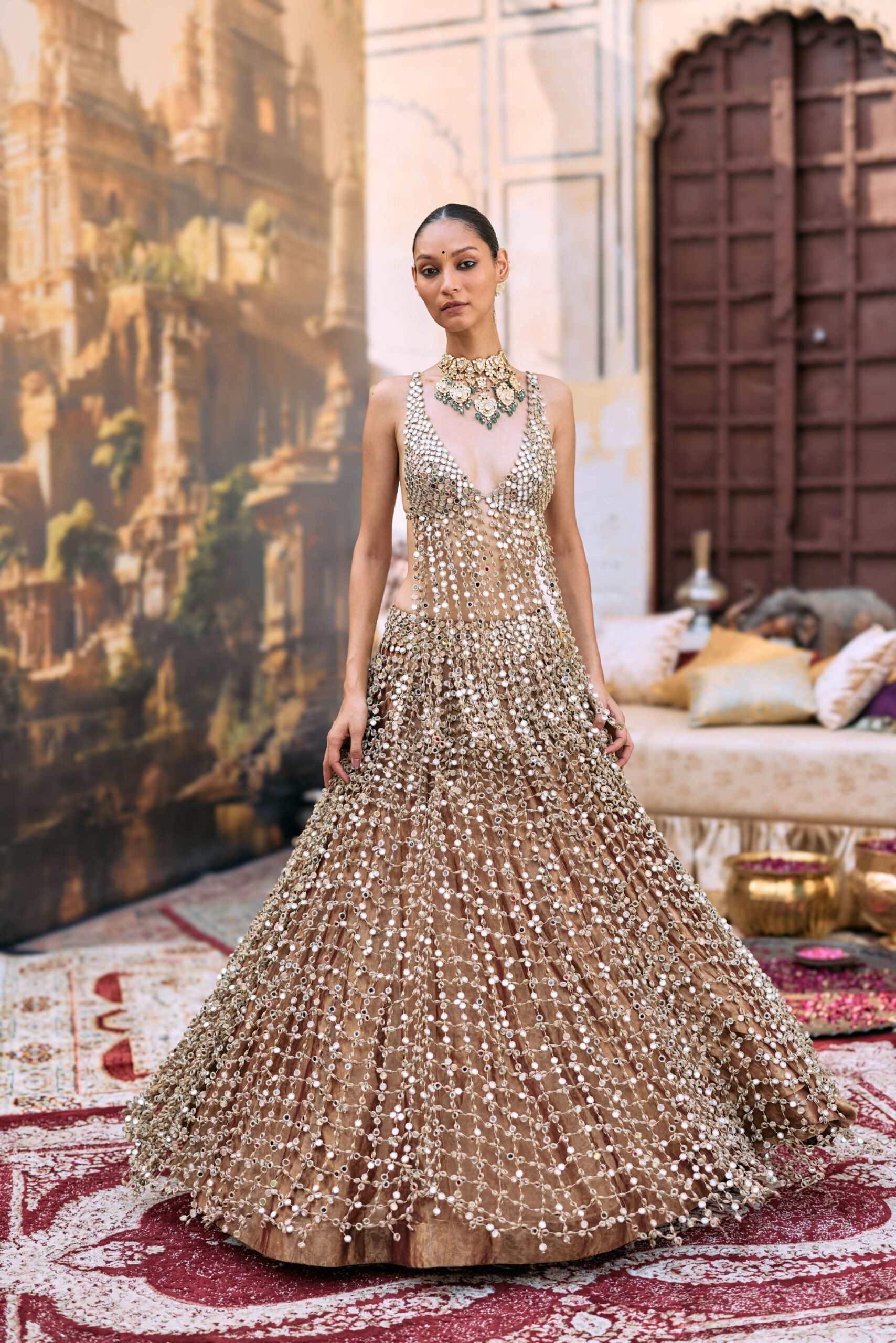
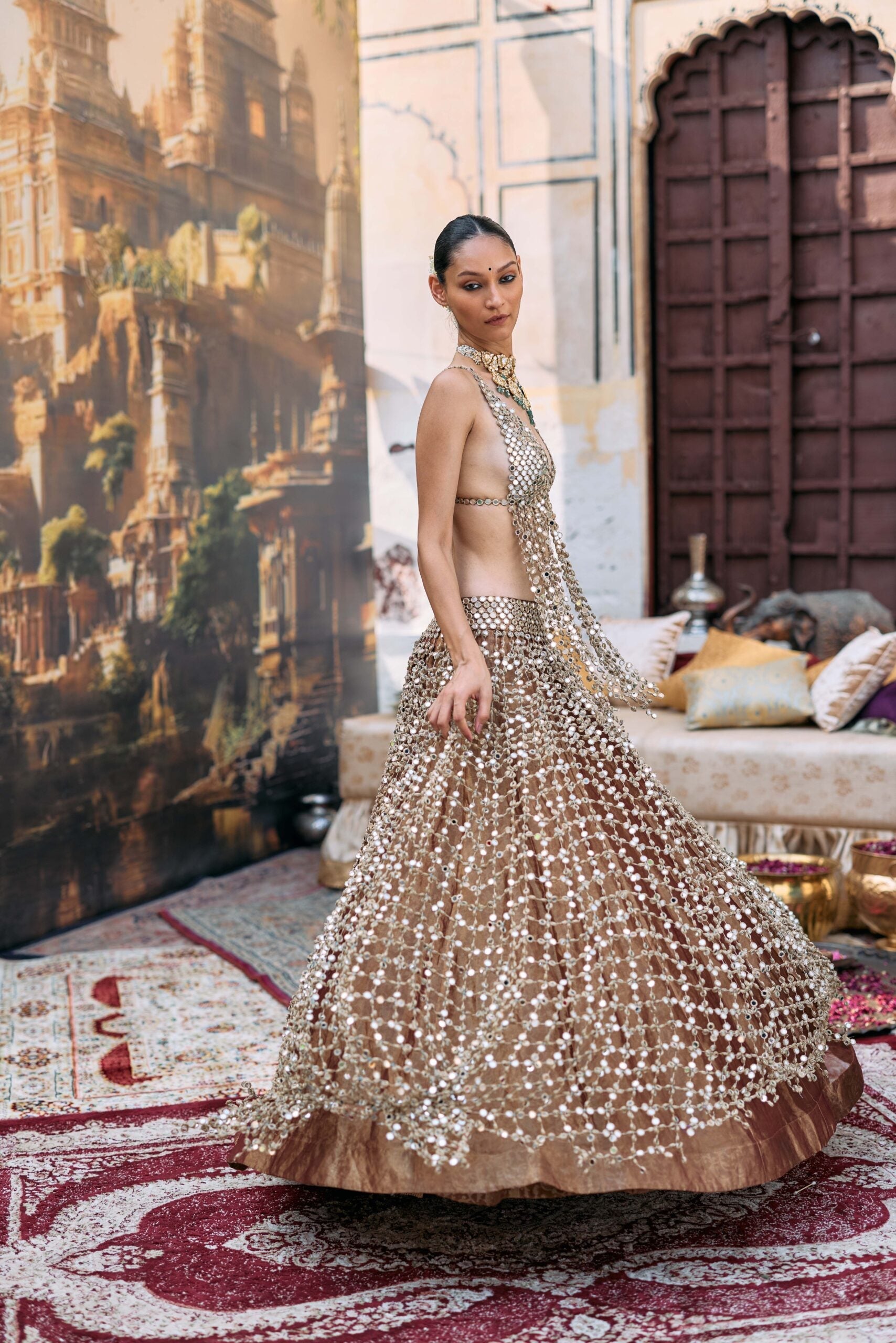


How to Choose the Perfect Banarasi Saree for Every Occasion
Banarasi sarees are known for their rich silk fabric, intricate zari work, and timeless elegance. Originating from Varanasi, these sarees have been a symbol of luxury and tradition in Indian fashion for centuries. Whether worn at weddings, festivals, or special celebrations, a Banarasi saree instantly adds a regal touch to any look.
However, with so many varieties, fabrics, designs, and color options available today, choosing the right Banarasi saree can sometimes feel overwhelming. The key is to select a saree that matches the occasion, your personal style, and the level of formality required. Here is a helpful guide to choosing the perfect Banarasi saree for different occasions.
Choosing a Banarasi Saree for Weddings
Weddings are one of the most common occasions where Banarasi sarees truly shine. Because weddings are grand celebrations, rich and heavily embroidered Banarasi sarees are usually the best choice.
For bridal or wedding functions, traditional colors such as deep red, maroon, royal blue, emerald green, or gold work beautifully. These shades highlight the intricate zari patterns and create a luxurious appearance. Sarees with heavy gold or silver weaving, elaborate borders, and traditional motifs like paisleys, florals, or Mughal-inspired patterns are especially popular for wedding wear.
When styling a Banarasi saree for weddings, pairing it with traditional gold jewelry, a statement blouse, and classic makeup can enhance the royal feel of the outfit.
Banarasi Sarees for Festive Celebrations
Festivals such as Diwali, Durga Puja, and family celebrations are perfect occasions to wear elegant yet slightly lighter Banarasi sarees. While they still carry the richness of traditional silk, festive sarees often feature lighter embroidery and softer color combinations.
Bright shades like mustard yellow, magenta, turquoise, or coral can bring a vibrant and festive feel to your outfit. Sarees with delicate zari work or subtle patterns work well because they look stylish without appearing too heavy.
To complete the look, you can style your festive Banarasi saree with statement earrings, bangles, and a modern blouse design that adds a contemporary touch.
Banarasi Sarees for Formal Events
For formal gatherings such as receptions, cultural events, or formal dinners, Banarasi sarees with elegant and minimal designs are an excellent choice. Instead of heavily embroidered pieces, many women prefer sarees with subtle zari borders or understated motifs for these occasions.
Colors like navy blue, wine, charcoal grey, or pastel tones can create a sophisticated and polished look. These shades offer elegance while maintaining the richness associated with Banarasi silk.
Pairing the saree with sleek hairstyles, minimal jewelry, and a well-fitted blouse can help create a refined and graceful appearance.
Choosing Banarasi Sarees for Daytime Events
Daytime events often call for lighter and more comfortable saree options. For such occasions, Banarasi sarees made from lighter silk blends or those with minimal embroidery work best.
Soft pastel shades such as blush pink, peach, lavender, mint green, or ivory are particularly suitable for daytime celebrations. These colors look fresh, elegant, and photograph beautifully in natural light.
Styling a pastel Banarasi saree with pearl jewelry, natural makeup, and a simple hairstyle can create a soft and graceful daytime look.
Understanding Different Banarasi Saree Fabrics
Another important factor when choosing a Banarasi saree is the type of fabric used. Different fabrics can affect the weight, texture, and overall appearance of the saree.
Some common types of Banarasi sarees include:
Pure Silk Banarasi Sarees:
These are the most luxurious and traditional varieties, known for their rich texture and intricate zari work. They are perfect for weddings and grand occasions.
Organza Banarasi Sarees:
These sarees are lighter and feature delicate zari weaving. They offer a more elegant and contemporary appearance.
Georgette Banarasi Sarees:
Georgette Banarasi sarees are lightweight and easier to drape, making them suitable for parties and modern celebrations.
Understanding these fabric options can help you choose a saree that suits both the occasion and your comfort level.
Pay Attention to Motifs and Design
Banarasi sarees are famous for their intricate motifs, which often draw inspiration from Mughal art, nature, and traditional Indian patterns. Designs such as floral vines, paisleys, and geometric patterns are commonly seen in Banarasi weaving.
When choosing a saree, consider selecting motifs that complement the event. For example, heavily detailed designs work well for weddings, while smaller and more subtle motifs are better suited for formal or casual occasions.
Final Thoughts
Banarasi sarees are timeless pieces that beautifully combine tradition, craftsmanship, and elegance. Choosing the perfect Banarasi saree becomes easier when you consider the occasion, color palette, fabric type, and level of embroidery.
Whether you are attending a wedding, celebrating a festival, or dressing for a formal event, the right Banarasi saree can help you create a graceful and memorable look. With proper styling and thoughtful selection, this classic Indian garment can remain a cherished part of your wardrobe for years to come.
New trend of hassel free mehendi tattoo
20 Different Types of Salwar Suits Every Woman Should Know
Related Posts

The End of Micro-Trends: Why India Is Going Back to Classic Style

Not Just Jeans: How Denim Is Taking Over Indian Fashion in Every Silhouette

Bridal Fashion Trends That Are Dominating Indian Weddings

Cotton Sarees, Suits & Co-ords: Comfort Meets Luxury in 2026

Why Cotton Never Goes Out of Style — The Fabric That Rules Every Season

The Denim Edit: Kurtas, Co-ords, Lehengas & Suits Reimagined in 2026

Denim Gets Desi — From Sarees to Sherwanis, How India Is Wearing It Now
