





Jewellery Styling Tips for Ethnic Wear
Jewellery plays a vital role in completing any ethnic outfit. Whether you are wearing a saree, lehenga, Anarkali, or Indo-Western attire, the right jewellery can enhance your overall appearance and bring balance to your look. In Indian fashion especially, jewellery is more than just an accessory—it reflects culture, tradition, and personal style.
However, styling jewellery with ethnic wear is not only about wearing heavy pieces. It’s about choosing the right combinations that complement the outfit, neckline, occasion, and overall styling. With the right jewellery choices, even a simple ethnic outfit can look elegant and sophisticated.
Here are some practical jewellery styling tips to help you perfectly pair accessories with your ethnic outfits.
Match Jewellery with the Outfit’s Neckline
One of the most important styling rules is to consider the neckline of your outfit before selecting jewellery. The right necklace should enhance the neckline rather than compete with it.
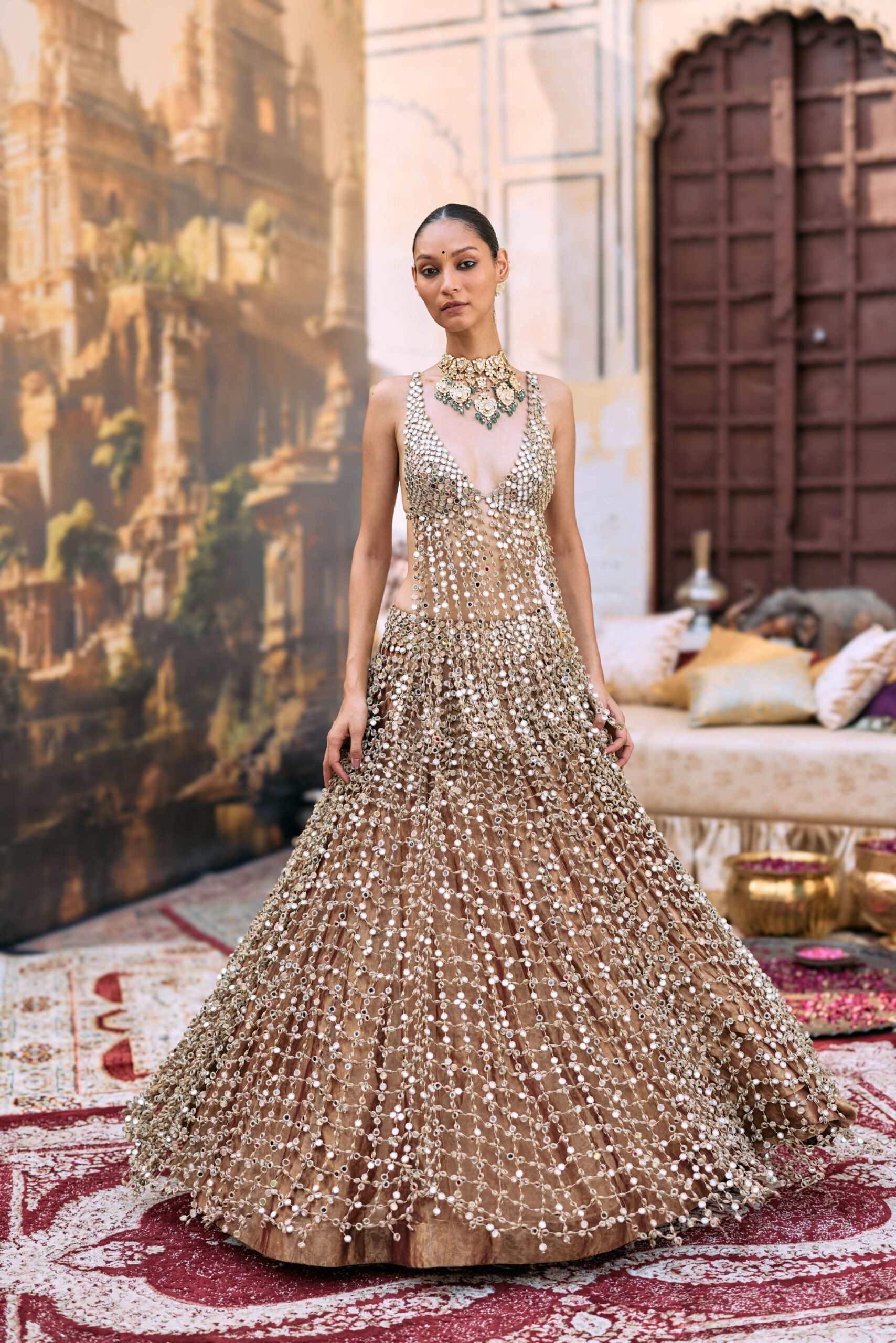
For example, deep necklines or V-neck blouses pair beautifully with statement necklaces or layered jewelry. High-neck blouses, on the other hand, often look better with long earrings instead of heavy necklaces. Boat neck or closed neck designs can be styled with long layered necklaces to create balance.
Choosing jewellery according to the neckline ensures that your outfit and accessories complement each other rather than overwhelming the look.
Balance Heavy Jewellery with Simple Outfits
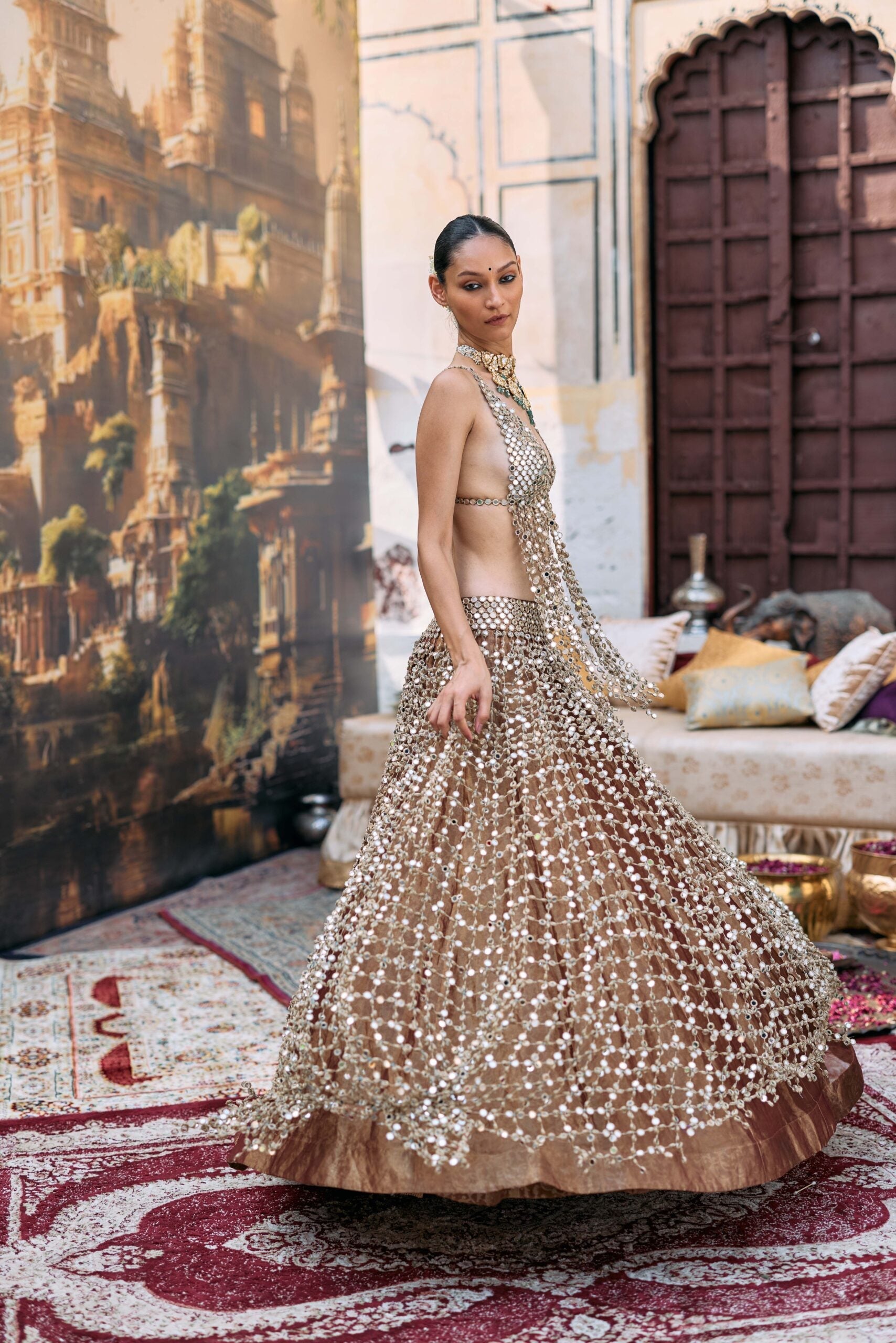
Heavy jewellery pieces often become the highlight of an ethnic look, so it is important to balance them with simpler outfits. If your saree or lehenga has minimal embroidery or subtle designs, you can easily style it with bold jewellery pieces such as statement chokers, layered necklaces, or elaborate earrings.
On the other hand, if your outfit is heavily embroidered or richly detailed, it is better to choose minimal jewellery so the entire look does not appear too busy. Striking the right balance between outfit and accessories helps maintain a sophisticated and elegant appearance.
Choose Jewellery Based on the Occasion
Different occasions call for different jewellery styles. Wedding ceremonies and grand celebrations usually allow for heavier jewellery, while smaller gatherings or daytime events often look better with lighter pieces.
For weddings or bridal functions, traditional jewellery such as Kundan sets, temple jewellery, or Polki designs work beautifully. For festivals or family events, simpler necklaces, jhumkas, and bangles can create an elegant yet comfortable look.
Selecting jewellery according to the occasion ensures that your overall styling looks appropriate and well thought out.
Mix Traditional and Modern Jewellery
Modern ethnic fashion often combines traditional outfits with contemporary accessories. Mixing traditional and modern jewellery styles can create a unique and stylish appearance.
For example, pairing a traditional saree with modern statement earrings or wearing a classic lehenga with a sleek choker can add a fashionable twist to your look. Similarly, oxidized silver jewellery can create a fusion vibe when styled with Indo-Western outfits.
This blend of traditional and modern elements allows you to create a personalized style that stands out.
Focus on Statement Pieces
Instead of wearing multiple heavy pieces at once, many stylists recommend focusing on one statement item. This could be a bold necklace, dramatic earrings, or a standout maang tikka.
For example, if you choose a heavy choker necklace, you can skip large earrings and opt for simple studs. If you are wearing oversized jhumkas, you may not need a necklace at all. Highlighting a single statement piece creates a clean and stylish look while preventing the outfit from appearing cluttered.
Coordinate Jewellery with Outfit Colors
Another useful styling tip is to choose jewellery that complements the color of your outfit. Gold jewellery pairs beautifully with warm tones like red, maroon, orange, and green. Silver or oxidized jewellery works well with cooler tones such as blue, grey, or pastel shades.
Pearl jewellery is extremely versatile and can be paired with many ethnic outfits, especially pastel sarees and elegant Anarkalis. Matching jewellery tones with outfit colors helps create a harmonious and polished look.
Don’t Forget Bangles and Rings
While necklaces and earrings often get the most attention, bangles and rings can also enhance an ethnic outfit significantly. Bangles add movement and elegance to your overall appearance, especially when wearing traditional outfits like sarees or lehengas.
You can stack multiple bangles for a festive look or choose a single statement bracelet for a more modern style. Rings, especially cocktail rings or traditional gemstone rings, can add the perfect finishing touch to your jewellery styling.
Final Thoughts
Jewellery is an essential part of ethnic fashion and has the power to transform any outfit into a complete and elegant look. The key to styling jewellery successfully is balance—choosing pieces that complement the outfit without overpowering it.
By considering factors such as neckline, outfit design, occasion, and color coordination, you can create a beautiful and well-styled ethnic look. Whether you prefer traditional temple jewellery, modern statement pieces, or minimal accessories, the right jewellery choices can enhance your ethnic outfits and help you stand out with confidence.
New trend of hassel free mehendi tattoo
20 Different Types of Salwar Suits Every Woman Should Know
Related Posts

The End of Micro-Trends: Why India Is Going Back to Classic Style

Not Just Jeans: How Denim Is Taking Over Indian Fashion in Every Silhouette

Bridal Fashion Trends That Are Dominating Indian Weddings

Cotton Sarees, Suits & Co-ords: Comfort Meets Luxury in 2026

Why Cotton Never Goes Out of Style — The Fabric That Rules Every Season

The Denim Edit: Kurtas, Co-ords, Lehengas & Suits Reimagined in 2026

Denim Gets Desi — From Sarees to Sherwanis, How India Is Wearing It Now
