





Sharara vs Gharara: Key Differences, Styling Tips & When to Wear What
Indian wedding fashion is rich with silhouettes that carry history, elegance, and cultural depth. Among them, sharara and gharara outfits stand out as timeless choices that continue to dominate bridal and festive wardrobes. Though they may appear similar at first glance, shararas and ghararas are distinct in construction, styling, and overall appeal.
Understanding the difference between the two can help you choose an outfit that not only suits the occasion but also complements your personal style. This guide explains the key differences between sharara and gharara, along with styling tips and guidance on when to wear each, so you can make an informed and confident choice.
What Is a Sharara?
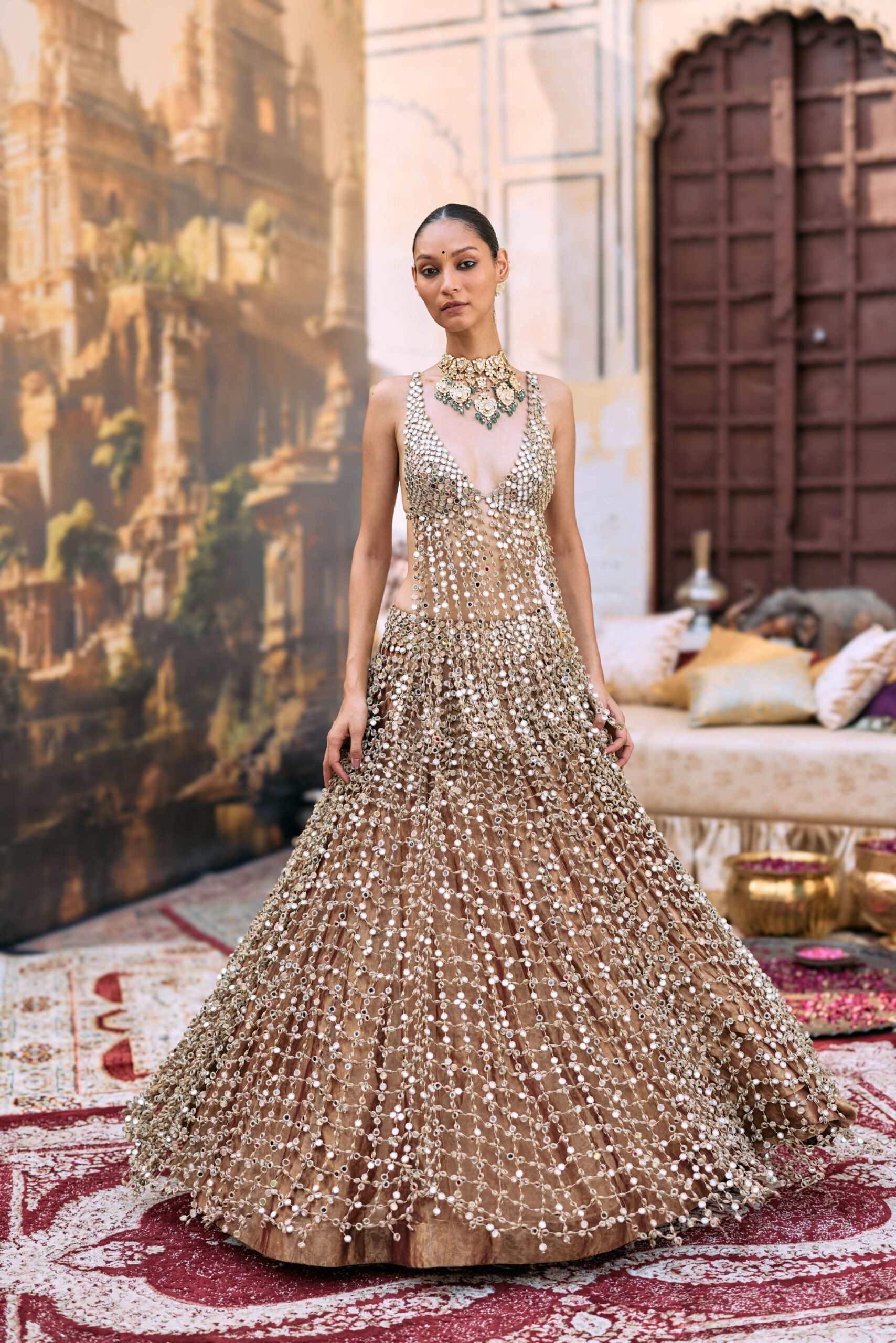
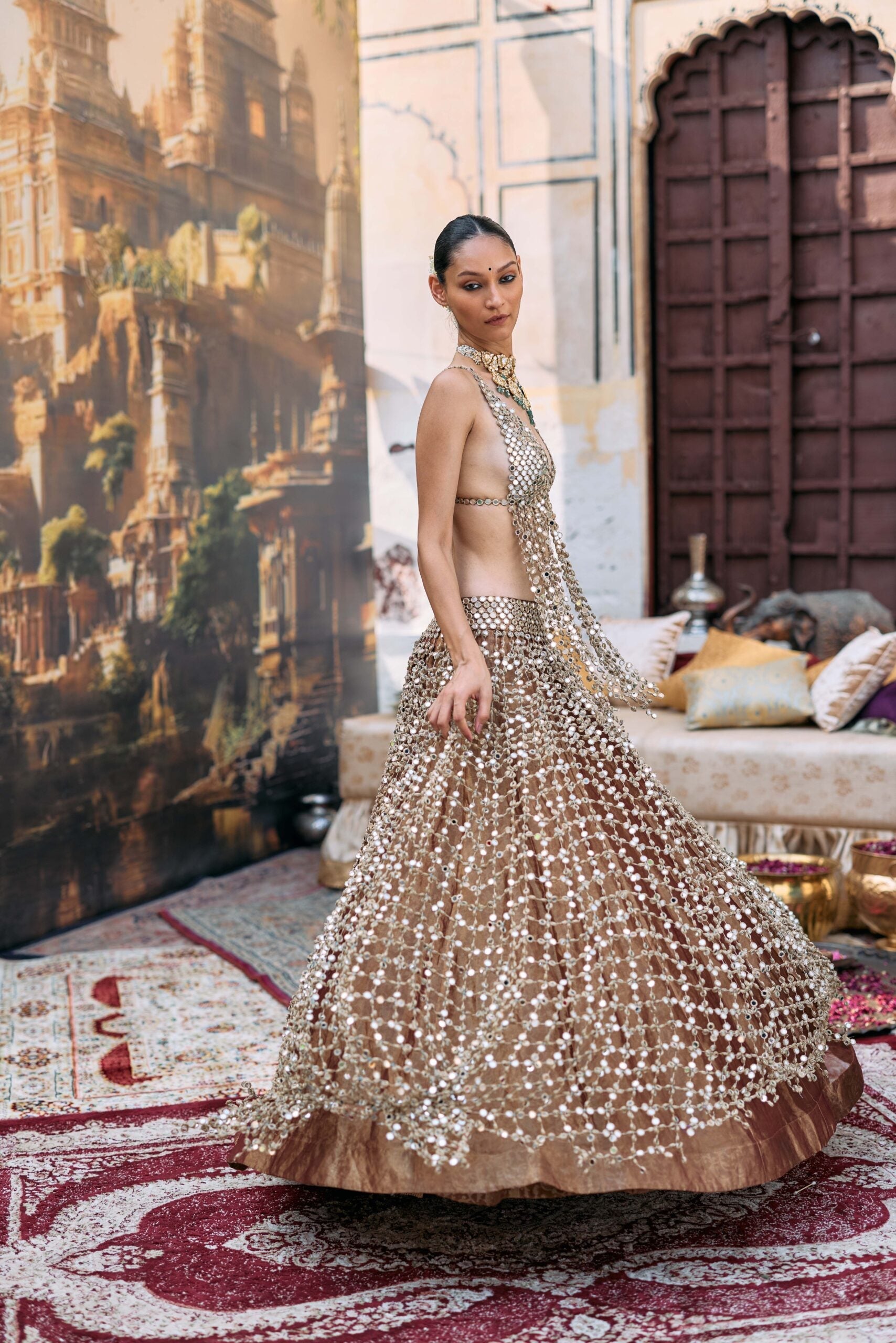
A sharara is a flared bottom that widens from the waist or hips in one continuous flow. Unlike other traditional bottoms, it has no break or seam at the knee, which gives it a smooth, skirt-like appearance. Shararas are known for their graceful movement and lightweight feel, making them extremely comfortable for long wedding celebrations.
Traditionally worn with short kurtis and dupattas, modern shararas have evolved significantly. Today, they are paired with peplum tops, long kurtas, jackets, and even blouse-style cholis, making them highly versatile.
Shararas are ideal for brides and wedding guests who want a festive yet effortless look that allows easy movement, dancing, and long hours of wear.
What Is a Gharara?
A gharara is more structured and traditional in comparison. Its defining feature is a visible seam or joint at the knee, where the fabric flares out dramatically below. This two-part construction gives ghararas their iconic layered and regal appearance.
Originating from Lucknow and the Awadh region, ghararas are deeply rooted in Mughal-era fashion. They are often crafted in rich fabrics and adorned with detailed embroidery, making them a symbol of heritage and formality.
Ghararas are usually paired with short kurtis or cholis and heavily embellished dupattas, maintaining a classic and royal aesthetic.
Key Differences Between Sharara and Gharara
The main difference lies in the construction. A sharara flares continuously from the waist or hips, creating a fluid and modern silhouette. A gharara, on the other hand, is fitted till the knee and then flares dramatically below, resulting in a more structured and traditional look.
In terms of comfort, shararas are generally lighter and easier to carry, while ghararas feel slightly heavier due to layered panels and embroidery. Shararas give a softer, contemporary vibe, whereas ghararas instantly convey regal elegance and old-world charm.
Both silhouettes are beautiful — the choice depends on the occasion, styling preference, and the level of tradition you want to embrace.
How to Style a Sharara
Shararas are incredibly adaptable and can be styled in multiple ways depending on the event.
Choose a fitted or short top to balance the volume of the flared bottom. Peplum tops, cropped kurtis, and blouse-style cholis work especially well. For a modern look, experiment with jackets or asymmetric kurtas.
Lightweight fabrics like georgette, chiffon, and organza are perfect for daytime functions, while silk, velvet, and embroidered shararas work beautifully for evening events. Jewellery should be kept balanced — statement earrings or a choker usually complete the look without overpowering it.
Shararas are perfect for mehendi, sangeet, engagement parties, festive gatherings, and even contemporary bridal receptions.
How to Style a Gharara
Ghararas shine best when styled traditionally. Since the knee joint is the highlight, it’s important to choose designs where this seam is beautifully embroidered or detailed.
Short kurtis or classic cholis maintain proportion and keep the focus on the gharara’s structure. Rich fabrics such as silk, brocade, velvet, and heavily embroidered textiles enhance the regal appeal.
Traditional jewellery like jhumkas, matha pattis, naths, and layered necklaces complement ghararas beautifully, making them ideal for brides who love heritage aesthetics.
Ghararas are best suited for wedding ceremonies, nikah functions, heritage-themed weddings, and formal traditional celebrations.
When Should You Choose a Sharara?
A sharara is the right choice if you want:
● A modern, flowy silhouette
● Comfort for long celebrations and dancing
● A versatile outfit that feels festive yet light
● A contemporary bridal or bridesmaid look
Shararas are especially popular among younger brides and wedding guests who prefer effortless elegance.
When Should You Choose a Gharara?
A gharara is ideal if you:
● Love traditional, royal-inspired fashion
● Want a statement outfit with cultural depth
● Are dressing for a formal wedding ceremony
● Prefer structured silhouettes with heritage charm
Ghararas are often chosen by brides for the main wedding function to create a timeless and regal presence.
Final Thoughts
Both shararas and ghararas are iconic silhouettes that celebrate the richness of Indian wedding fashion. While shararas offer fluid elegance and modern versatility, ghararas bring structured grandeur and timeless tradition.
Many brides today choose to wear both — a gharara for the wedding ceremony and a sharara for pre-wedding or post-wedding events. Ultimately, the best choice is one that aligns with your personality, comfort, and the story you want your wedding outfit to tell.
Whether you lean towards the effortless grace of a sharara or the royal sophistication of a gharara, both styles promise elegance, heritage, and unforgettable wedding moments.
New trend of hassel free mehendi tattoo
20 Different Types of Salwar Suits Every Woman Should Know
Related Posts

The End of Micro-Trends: Why India Is Going Back to Classic Style

Not Just Jeans: How Denim Is Taking Over Indian Fashion in Every Silhouette

Bridal Fashion Trends That Are Dominating Indian Weddings

Cotton Sarees, Suits & Co-ords: Comfort Meets Luxury in 2026

Why Cotton Never Goes Out of Style — The Fabric That Rules Every Season

The Denim Edit: Kurtas, Co-ords, Lehengas & Suits Reimagined in 2026

Denim Gets Desi — From Sarees to Sherwanis, How India Is Wearing It Now
